We track over 312 species — the famous ones people show up to see, and the overlooked ones the whole ecosystem quietly depends on.
~1,063 individuals remain. Population is growing thanks to sustained conservation but remains acutely vulnerable to disease and habitat loss.
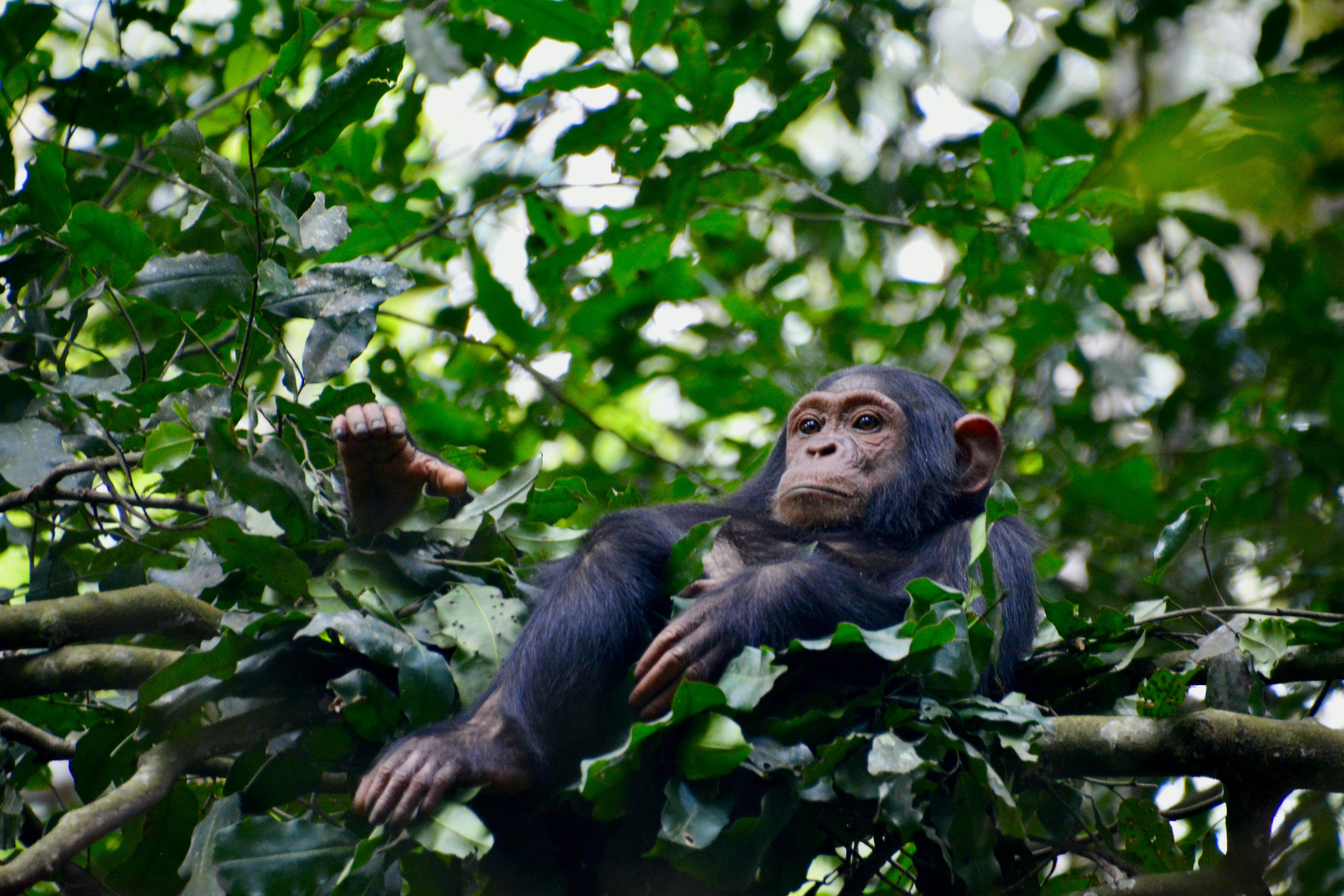
Once widespread across equatorial Africa, chimps now occupy fragmented forest patches threatened by logging and bushmeat hunting.
Found only in the Democratic Republic of Congo. One of humanity's closest relatives, yet among the least studied great apes.
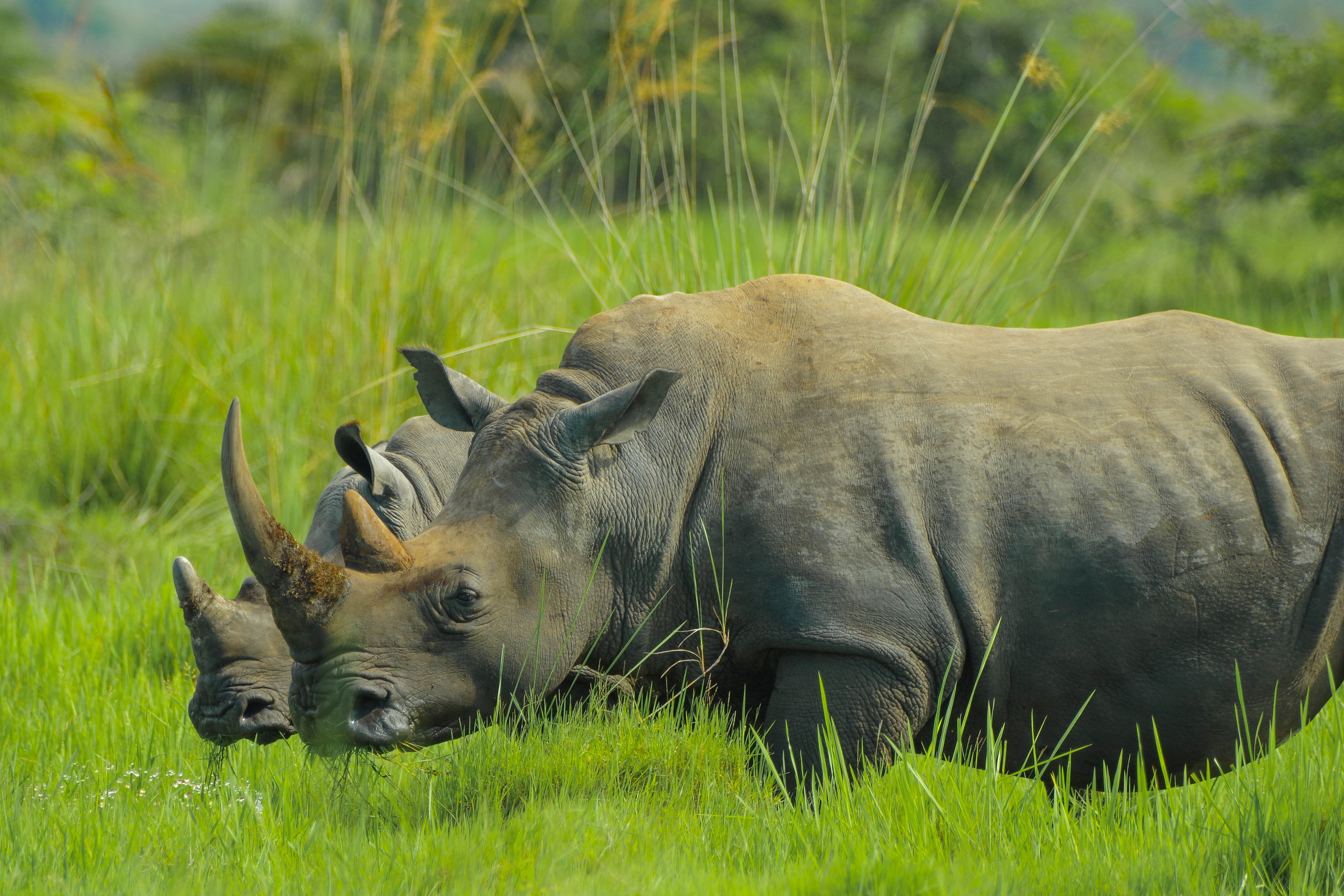
From 70,000 in the 1970s to just ~6,500 today. Poached almost to extinction for their horn. Our zero-poaching zones are proving that recovery is possible with sustained effort.
A distinct species from the savanna elephant, the forest elephant is a critical seed disperser in Central African rainforests.
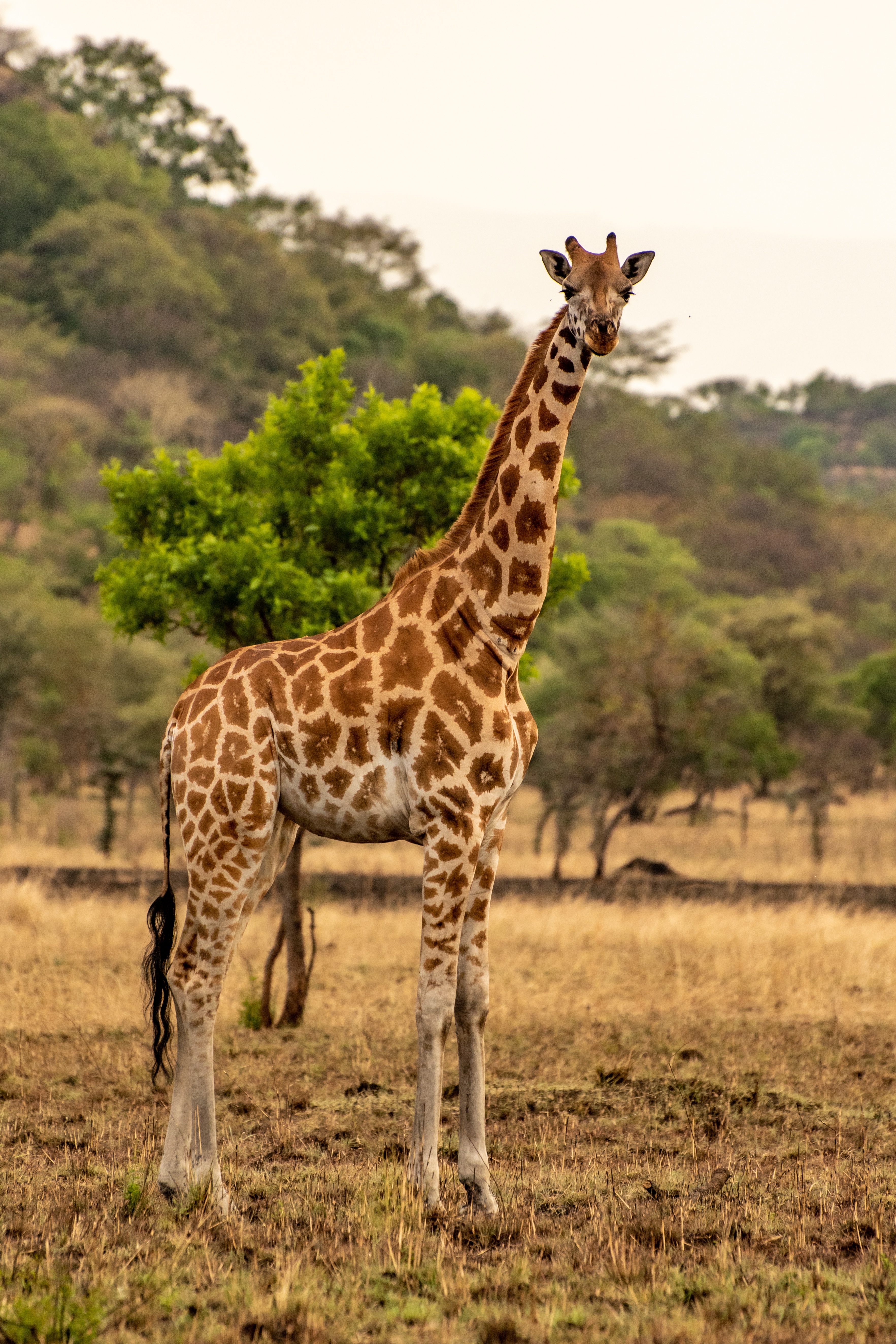
A 40% population decline in 30 years — the "silent extinction." Nine distinct sub-species face varying levels of threat.
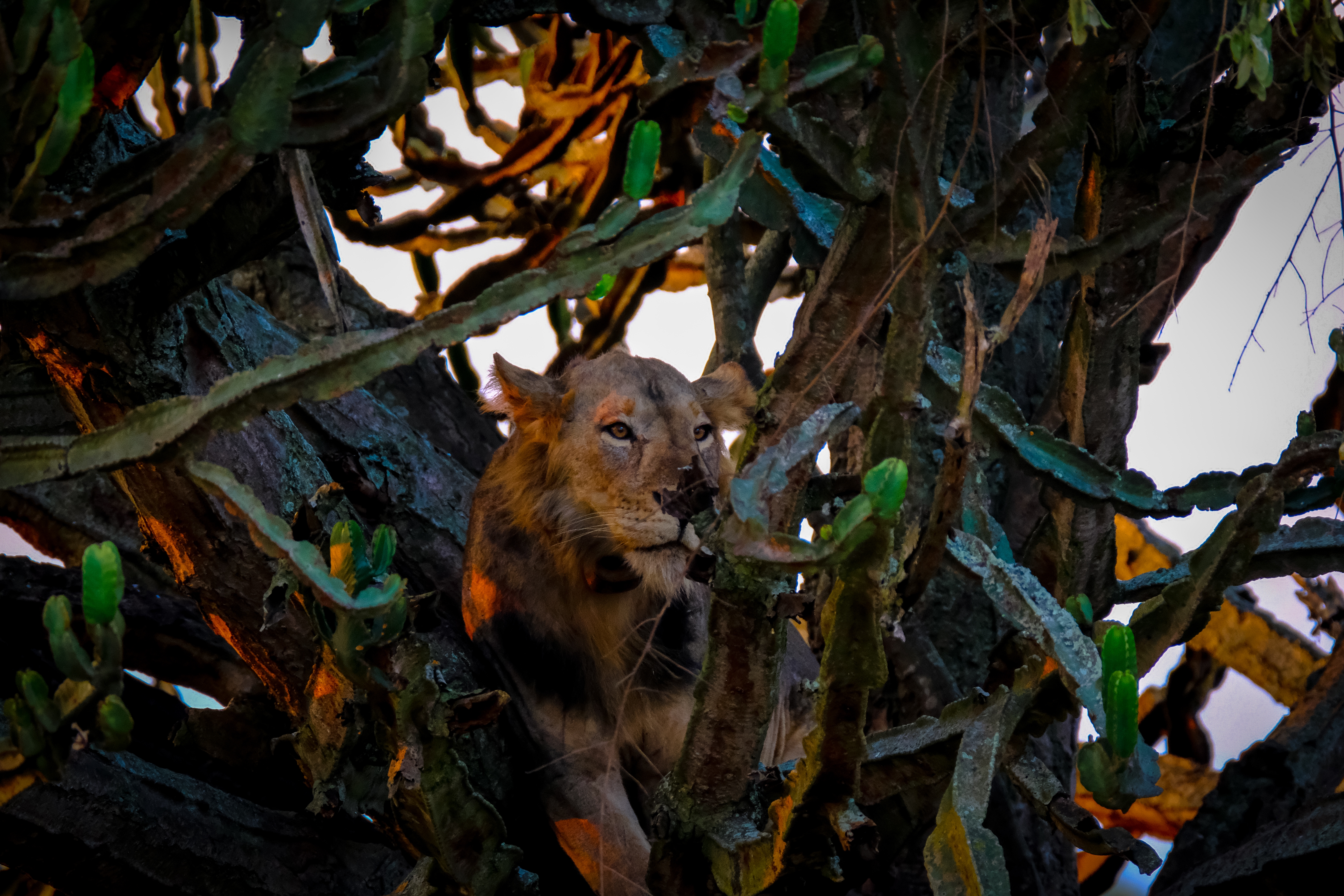
Africa's lion population has collapsed from 200,000 in the 1970s to fewer than 25,000. Human-wildlife conflict is the primary driver of decline outside protected areas.
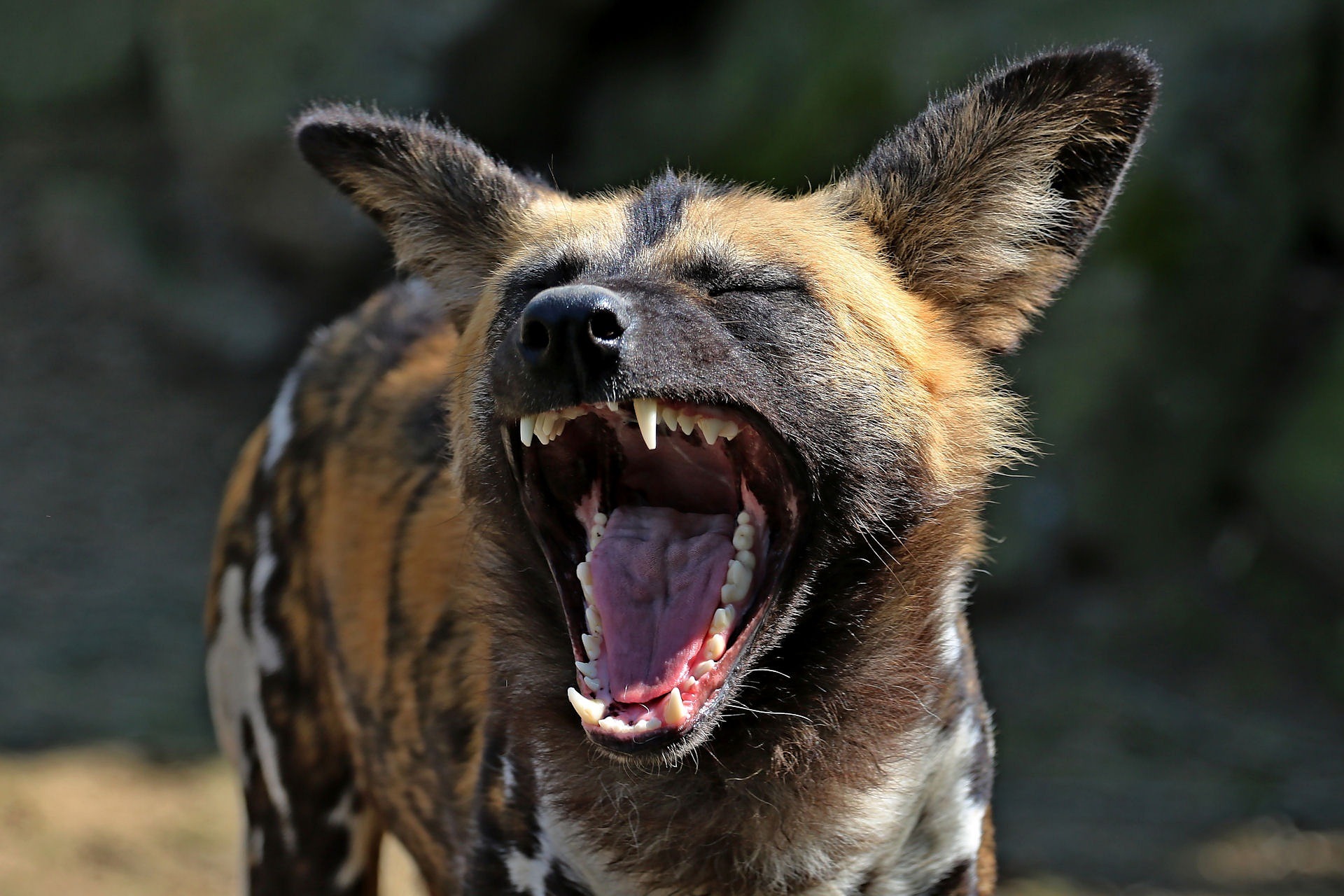
Africa's most efficient predator, and one of its most endangered. Fewer than 6,600 in the wild, in fragmented packs spanning vast territories.
The world's fastest land animal is losing its race against extinction. Only ~7,100 remain in the wild, with 75% living outside protected areas.
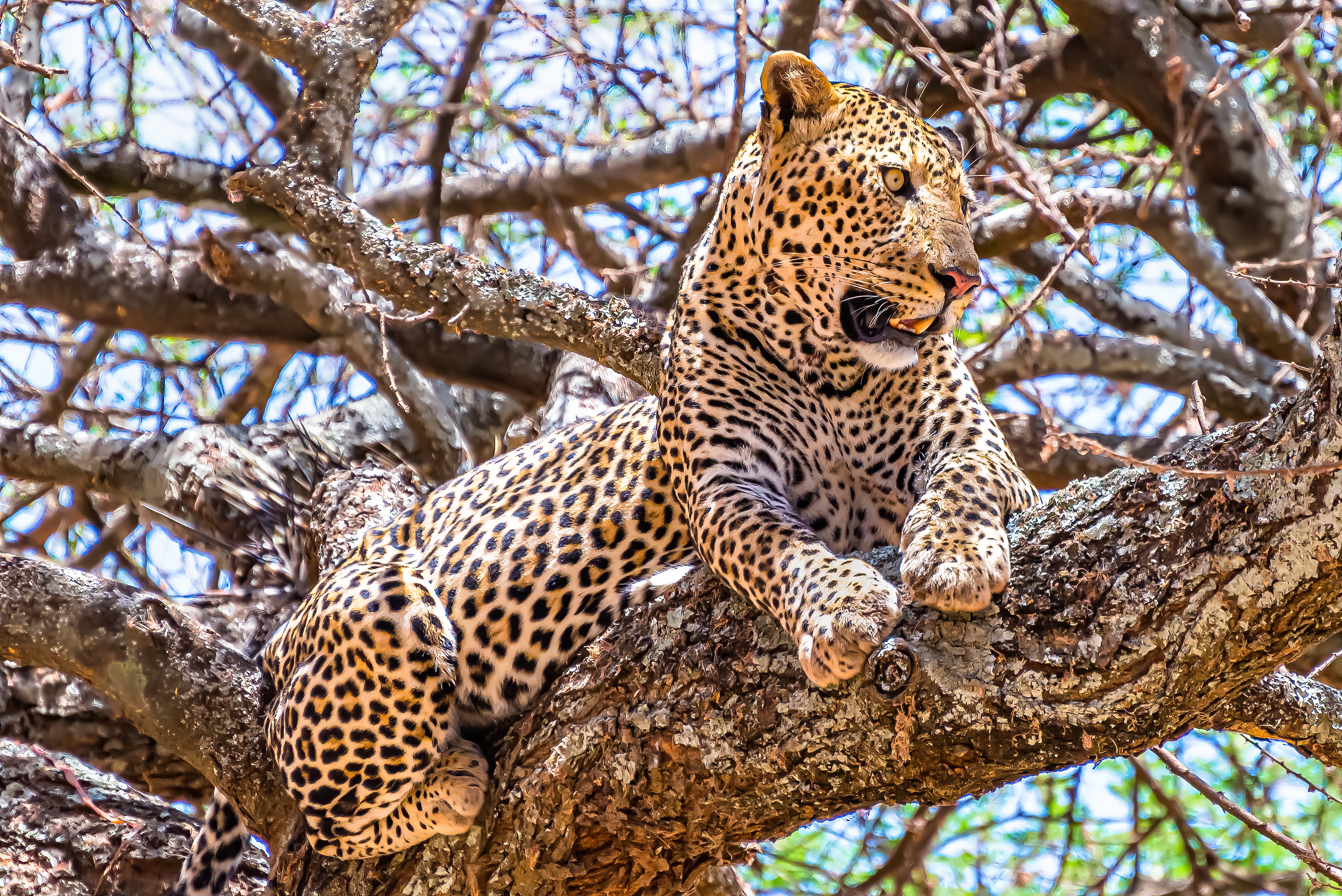
The most adaptable of the big cats, but facing sustained pressure from trophy hunting and retaliatory killing across 40% of its historic range.
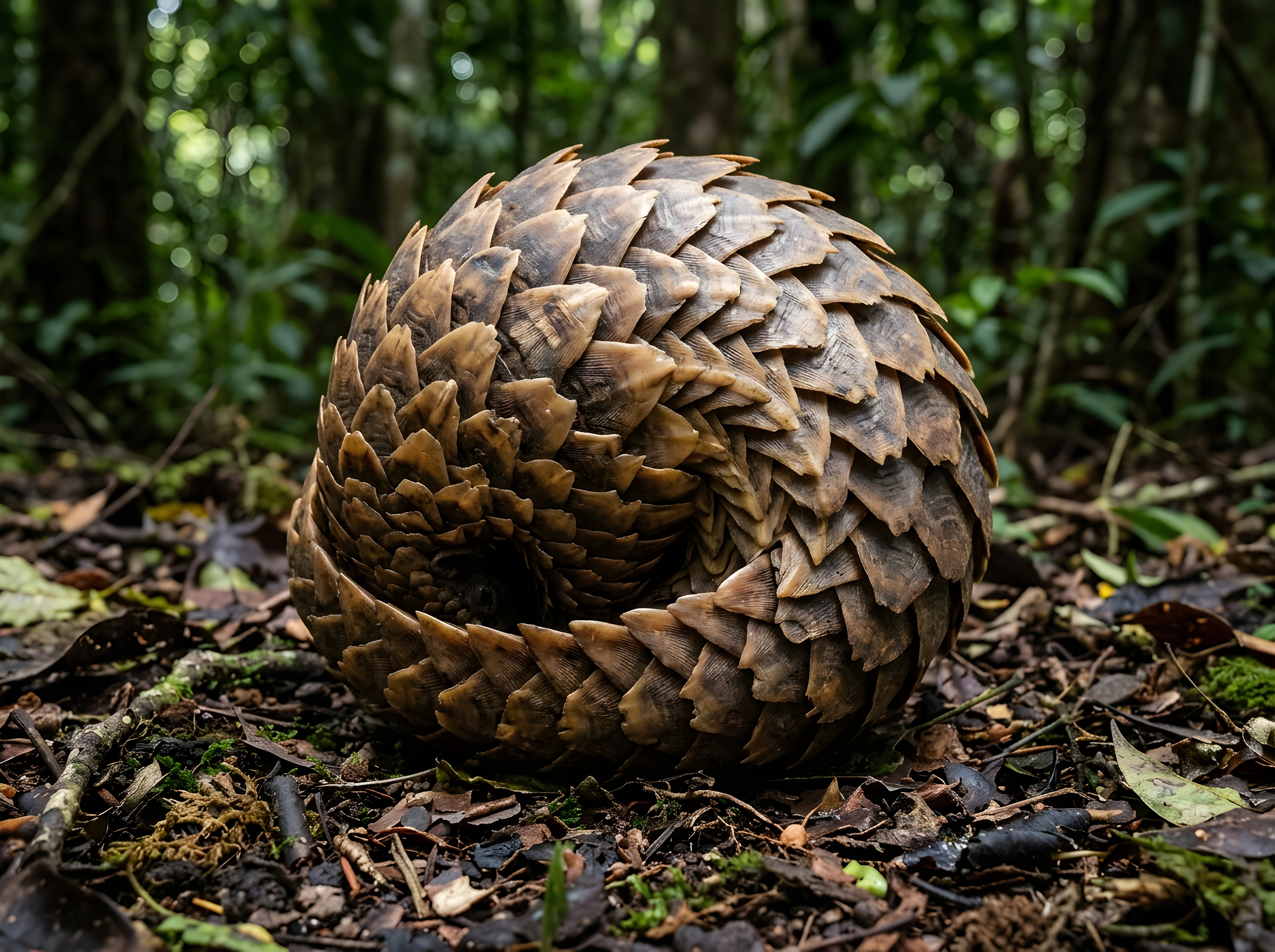
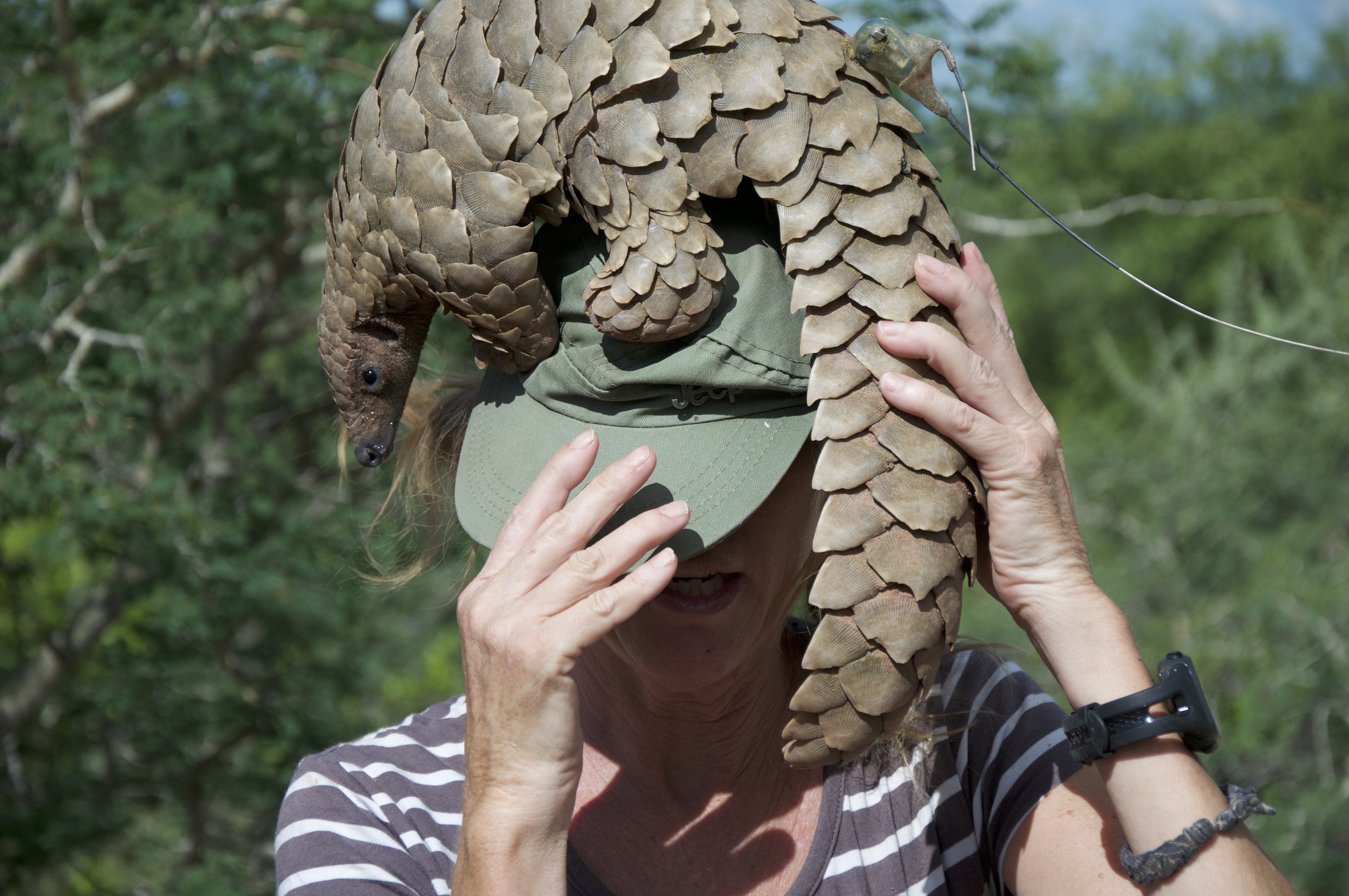
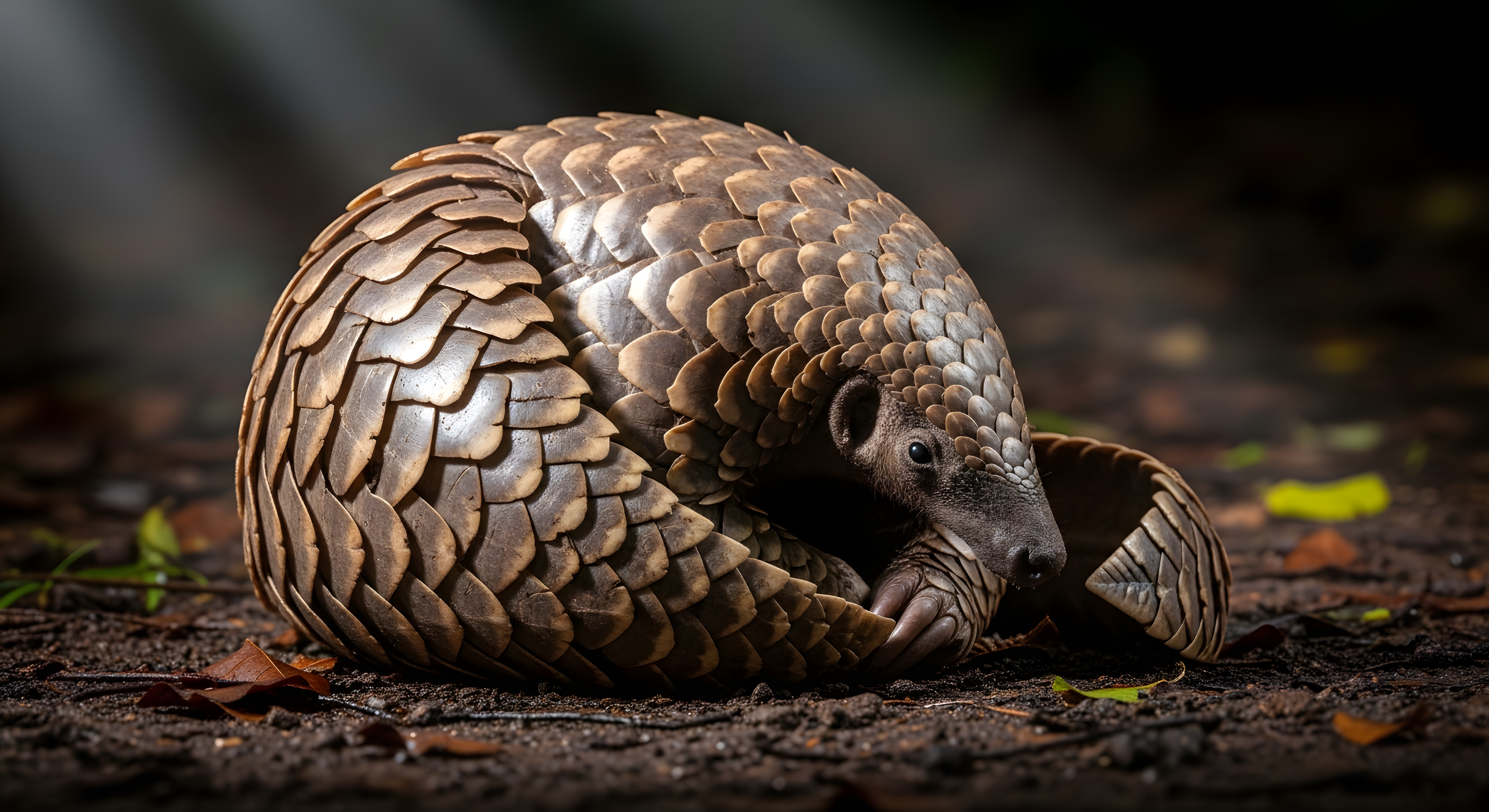
All four African pangolin species are threatened with extinction. Over one million pangolins have been seized by authorities in the past decade — more than any other mammal. Their scales, falsely believed to have medicinal properties, drive relentless poaching.
The most widespread African pangolin, found across sub-Saharan Africa. Nocturnal and solitary, its secretive nature makes population estimates difficult — and makes it easy for traffickers to operate undetected.
Africa's smallest pangolin clings to the rainforest canopy, feeding exclusively on ants and termites. Forest destruction and the bushmeat trade are pushing this elusive species toward the edge.