"Conservation of nature is a shared human responsibility."
Together, we are safeguarding Africa's extraordinary wildlife and natural ecosystems through conservation, education, and sustainable community development.
Every species matters. Every forest counts. Every action creates hope.
We started AFWINC because too many conservation projects get designed in boardrooms far from the animals they're meant to protect. Our rule is simple: no programme goes ahead without the people who actually live alongside the wildlife β the rangers walking the patrol routes, the farmers whose crops an elephant might flatten overnight, the kids who'll inherit whatever's left of the forest.
That means our work looks different depending on where you catch us β fitting GPS collars on wild dogs in Zimbabwe, running literacy classes tied to eco-tourism income in Uganda, counting gorillas from a ridge in Bwindi at dawn. None of it holds together without the communities already there.
Poaching, habitat loss, and poverty feed each other. We work on all three at once, because tackling just one rarely holds.
Ranger training, anti-poaching patrols, GPS tracking, and intelligence-led enforcement across our protected areas and wildlife corridors.
Explore ProgramSustainable livelihoods, eco-tourism, conservation education, and cultural heritage programmes that make conservation economically viable for local communities.
Explore ProgramField research, population monitoring, genetics, disease ecology, and habitat assessments that inform policy and on-the-ground decisions.
Explore Program
Fewer than 1,100 remain in the Virunga Massif and Bwindi Forest. Our long-term monitoring and community programs are key to their survival.
Lost more than 86% of their population in 31 years due to poaching and habitat loss.
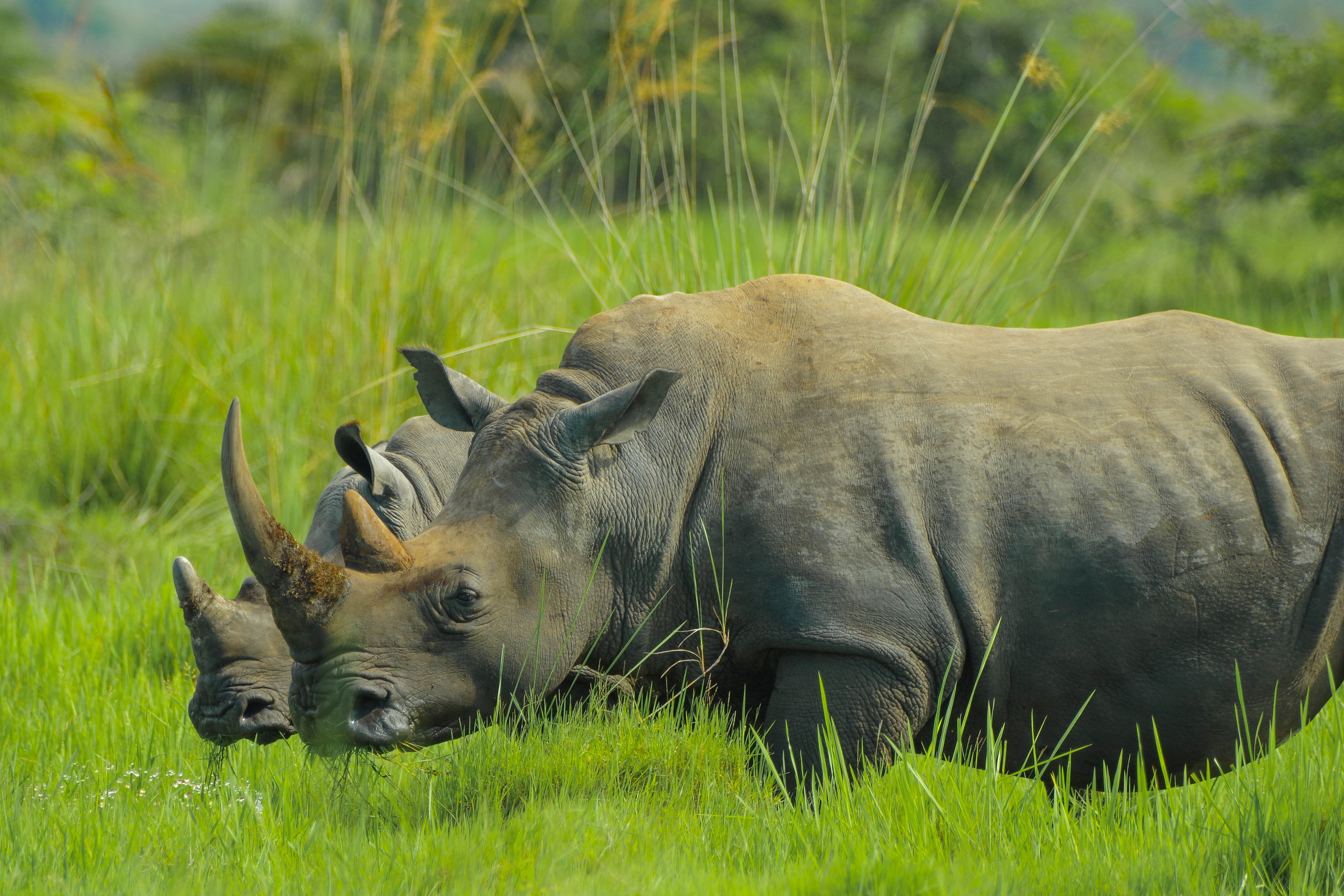
Only ~6,500 remain. Our anti-poaching operations have achieved zero poaching losses in partner conservancies.
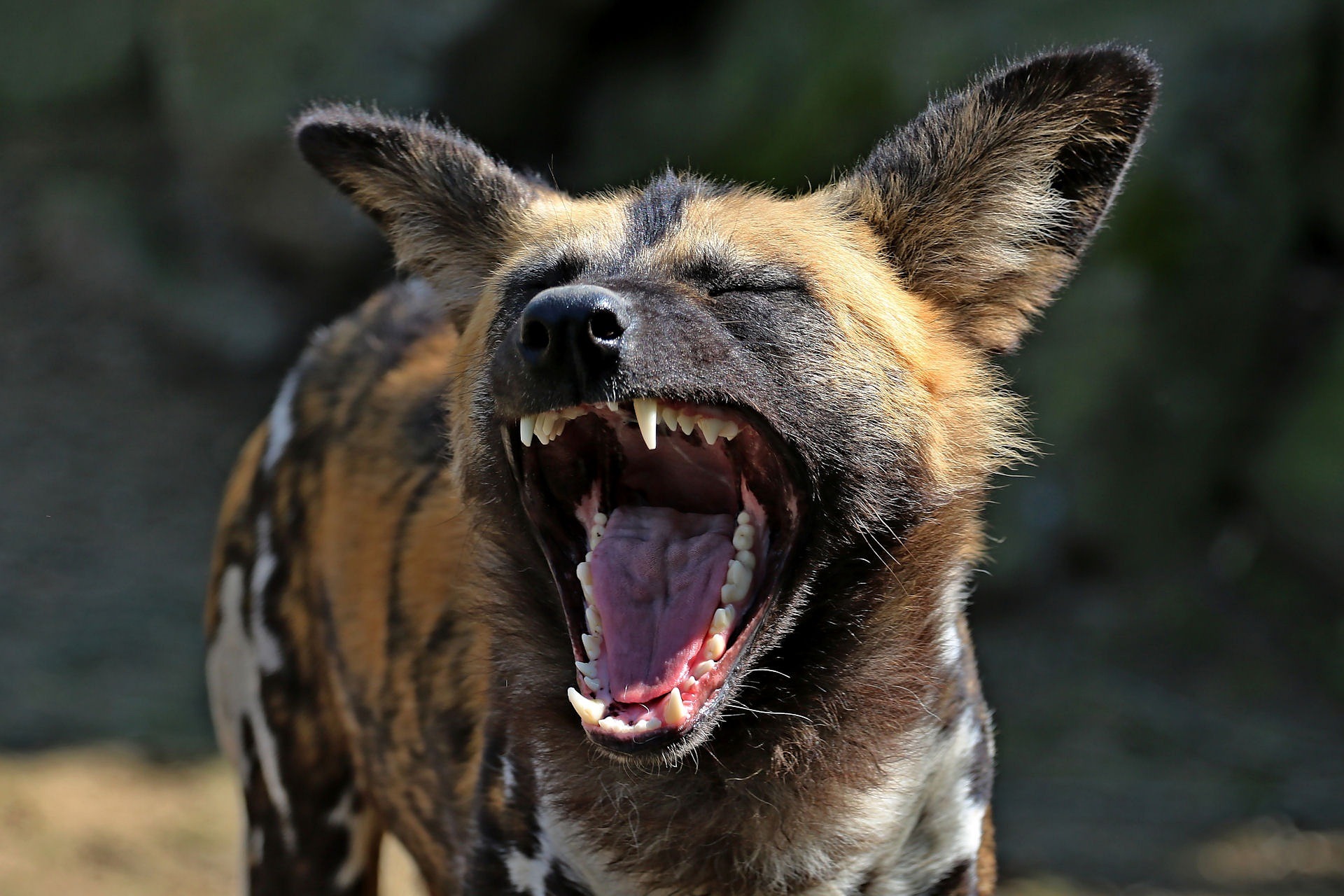
Fewer than 6,600 left in the wild across fragmented packs. Corridor conservation is critical to their future.
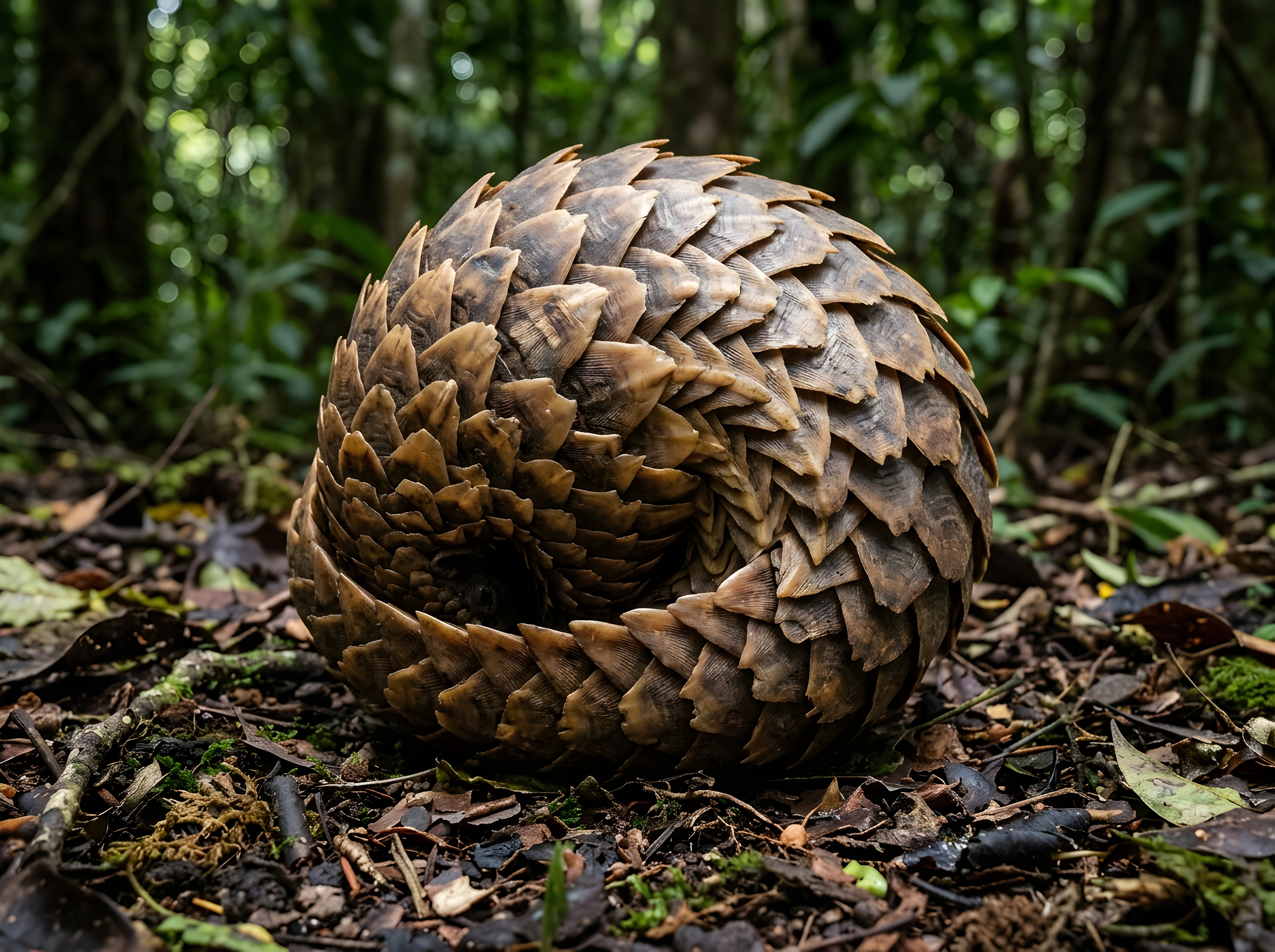
The world's most trafficked mammal. Over one million pangolins seized in a decade, poached for scales falsely believed to have medicinal value.
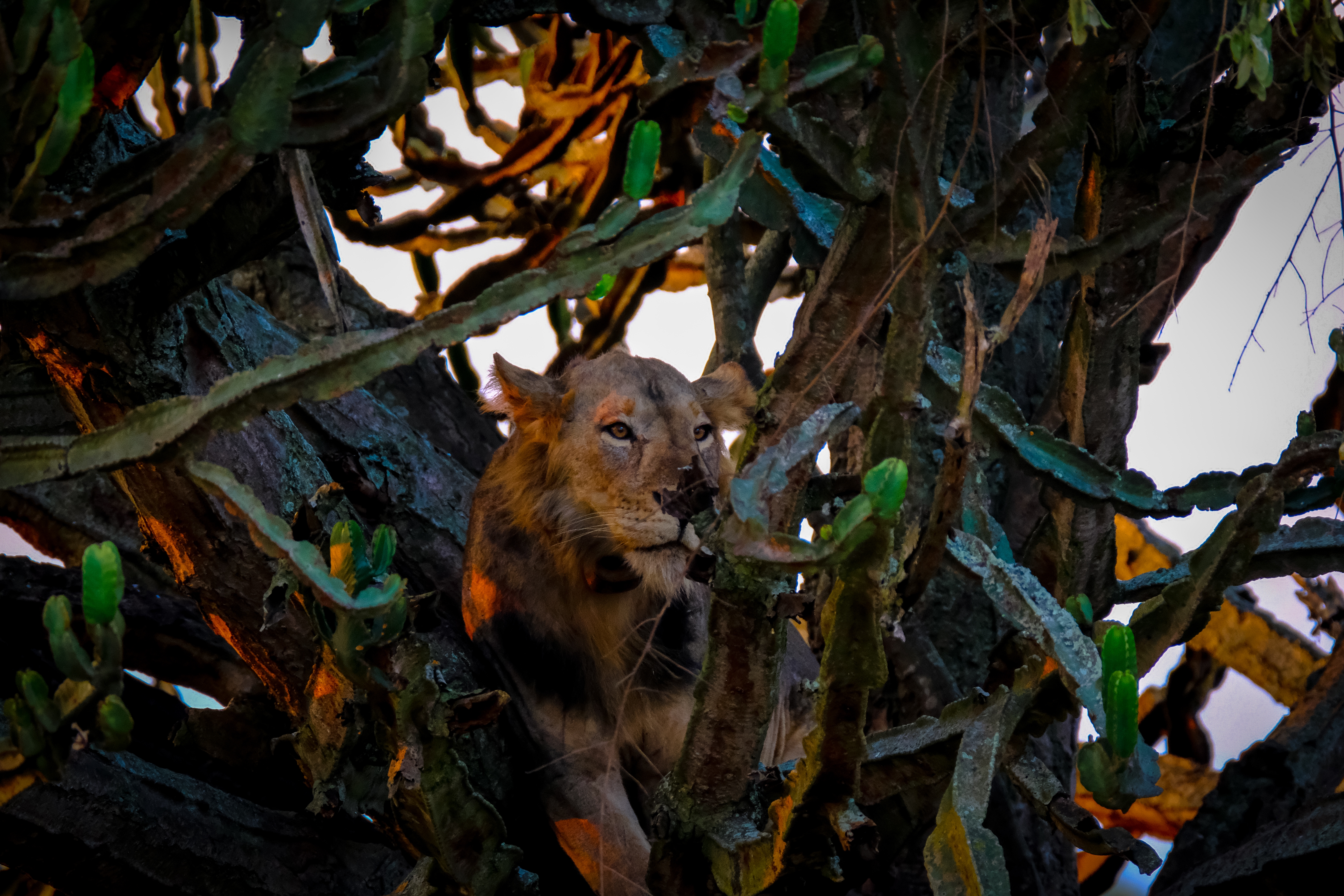
Africa's lion population has fallen from 200,000 in the 1970s to fewer than 25,000. Human-wildlife conflict and habitat loss drive continued decline outside protected areas.
Active conservation programmes across 7 African nations from the Great Rift Valley to the Cape.
Bwindi Impenetrable Forest, Queen Elizabeth NP, Kidepo Valley
HeadquartersMaasai Mara, Tsavo, Samburu & Northern Rangelands
Serengeti, Ngorongoro Crater, Selous Game Reserve
Volcanoes National Park, Nyungwe Forest
Virunga National Park, Okapi Wildlife Reserve
Kruger NP, Greater Limpopo Transfrontier Park
Hwange National Park, Mana Pools, Gonarezhou
Anti-Poaching
An inside look at the intelligence-led approach, community informant networks, and technology stack that's keeping Africa's most poached corridor safer than ever.
Read Story
Research
The latest survey data reveals encouraging signs that decades of protection are translating into real population recovery.
Read Story
Community
Communities once at odds with conservation mandates are now among the most vocal advocates for protecting their land.
Read StoryI started this organisation after watching a family in Bwindi kill a gorilla for bushmeat β not out of cruelty, but because they had no other way to feed their kids that week. You can't arrest your way out of that problem. You have to fix the hunger first.
Most of what you give goes straight to the field β ranger salaries, fuel for patrol vehicles, camera traps, school fees tied to our conservation programmes. We publish exactly where it goes every year, because you shouldn't have to take our word for it.
Organizations We Work Alongside