Three programmes, one team, and a habit of doing the unglamorous work that keeps a species from disappearing.
Rangers are the ones actually standing between a snare and an animal. Ours work rotating shifts across genuinely difficult terrain, combining old-fashioned tracking with GPS collars, drone flyovers, and intelligence built from years of relationships with people in the surrounding communities.
Catching someone in the act isn't the end of it. We work with park authorities and police so the intelligence actually leads somewhere — not just a confiscated snare and a warning.
It's an old, unfair pattern: the people living closest to wildlife pay the highest price for it — crop damage, livestock losses, land restrictions — and see the least benefit. We try to flip that by tying real income to healthy wildlife populations instead.
In practice that's community-owned lodges, honey cooperatives, and handicraft businesses that only make sense if the gorillas, or the wild dogs, or the rhinos are still around next year.
Good intentions don't save a species — accurate numbers do. Our research team spends most of its time counting things: population surveys, disease checks, habitat assessments, and long-term monitoring across the 312-plus species we track.
We publish what we find, usually alongside university partners, because a finding that sits in a filing cabinet doesn't help anyone else working on the same problem.
Not so much a formula as a habit we've built over 27 years of getting things wrong before getting them right.
Landscape-level baseline surveys, threat analysis, and community needs assessment before any programme begins.
Programmes developed with communities, local government, and scientific partners — never imposed from outside.
African-led field teams execute with rigour, adapting in real time to conditions on the ground.
Annual evaluations, published results, and replication of successful models across new landscapes.
Flagship protected areas across the countries where our programmes operate.
A UNESCO World Heritage Site in southwestern Uganda, home to roughly half of the world's remaining mountain gorillas.
Uganda's most visited park, spanning crater lakes and savanna along the Kazinga Channel, with tree-climbing lions and over 600 bird species.
Uganda's largest national park, named for the point where the Nile forces itself through a narrow gorge to form a dramatic waterfall.
A remote, rugged park in Uganda's northeast corner, known for its semi-arid landscapes and species found nowhere else in the country.
One of the highest primate densities in Africa, home to habituated chimpanzee communities and twelve other primate species.
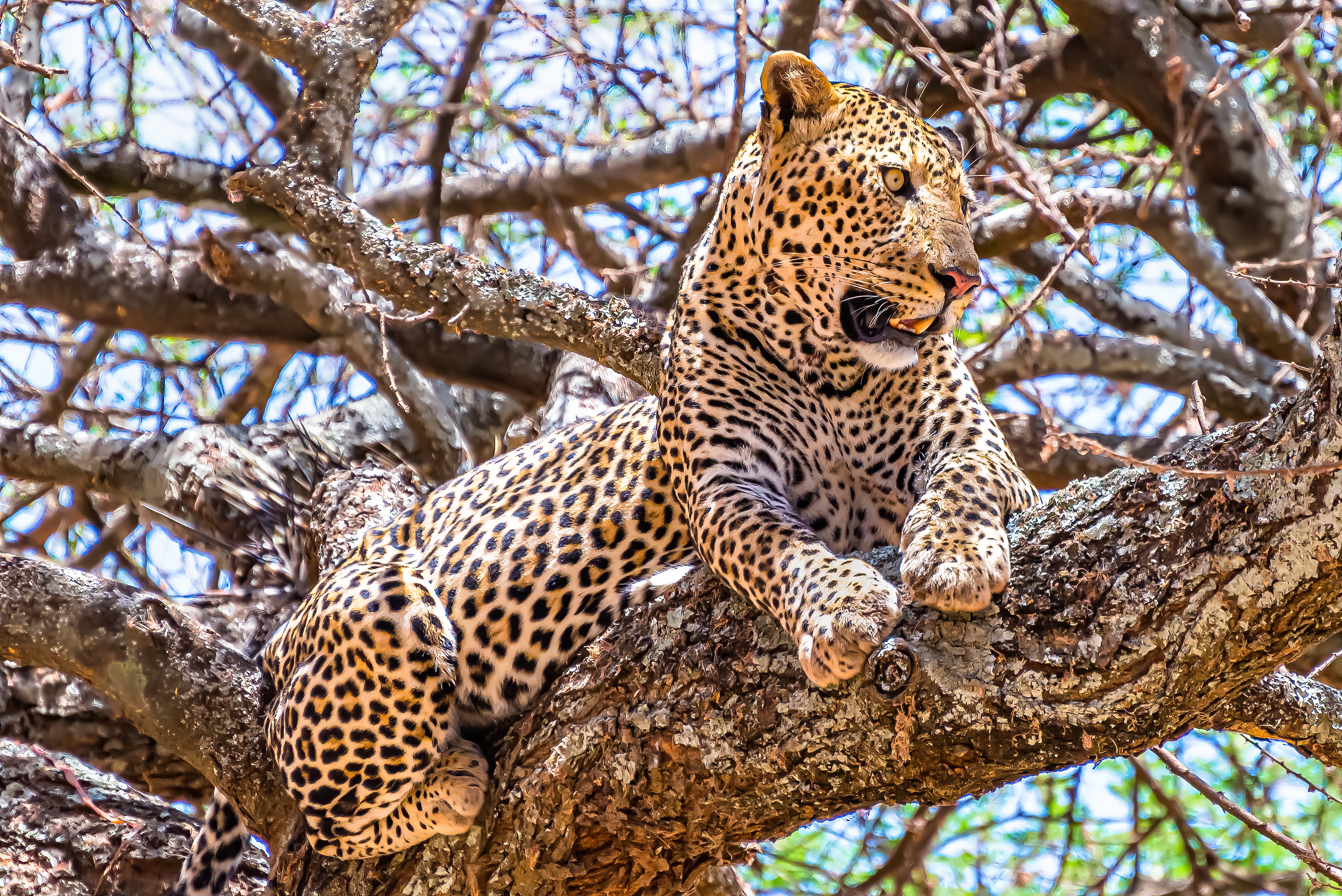
World-renowned for the Great Wildebeest Migration and among the highest concentrations of lions, leopards, and cheetahs in Africa.
One of the world's oldest and most studied ecosystems, its endless plains hosting the annual Great Migration.
A UNESCO World Heritage Site built around the Ngorongoro Crater, the world's largest inactive volcanic caldera and one of the densest concentrations of wildlife on Earth.
Set in the Virunga Mountains, protecting critically endangered mountain gorillas alongside golden monkeys.
Africa's oldest national park and one of its most biodiverse, spanning glaciated peaks, savanna, and lowland forest.
One of Africa's largest game reserves, home to the Big Five and extensive anti-poaching operations.
Zimbabwe's largest national park, known for its elephant population and long-running waterhole conservation projects.
89 cents of every dollar you give goes straight to field operations. Ask us for the breakdown and we'll send it — ranger salaries, fuel, equipment, community grants.