Become a Member
Membership dues aren't glamorous, but they're funding we can actually plan around — the kind that lets us commit to a multi-year programme instead of chasing the next grant.
- Exclusive monthly newsletter
- Early access to project reports
- Member-only virtual briefings with field teams
- All Annual Member benefits
- Invitations to private foundation events
- Personal project updates from the directors
- Limited-edition print of field photography
89¢ of every dollar
goes to
the field
We just don't spend money on things that don't help wildlife. We publish audited accounts every year and hold a 4-star Charity Navigator rating. When you give to AFWINC, that money funds field work, not overhead.
$25 — Funds one day of field data collection for a species survey
$50 — Trains one community ranger for a week
$100 — Covers one month of GPS collar data for a tracked animal
$250 — Supports one anti-poaching patrol for a week
Complete Your Gift
Give your time,
change a species' future
Some roles need you in Bwindi for six months. Others just need a laptop and a few hours a week. Here's what's currently open.
Field Research Intern
Assist our research team with gorilla population surveys, vegetation mapping, and wildlife camera trap monitoring. 3–6 month commitment.
Apply NowCommunity Educator
Deliver conservation education programmes in schools and community centres. Fluency in Swahili, Luganda, or French an advantage.
Apply NowData Analyst (Remote)
Help our science team process GPS collar data, camera trap images, and population survey results. Python, R or GIS skills required.
Apply NowVeterinary Volunteer
Support our wildlife health programme — health assessments, GPS collar fitting, and disease surveillance alongside senior vets.
Apply NowCommunications Volunteer
Write stories, create social content, and help translate our field reports into compelling communications for donors and media.
Apply NowEco-Tourism Guide
Lead guided tours in our community-owned eco-lodges, sharing the conservation story while generating income for local families.
Apply NowAlign your brand with
Africa's wild
future
Most corporate partnerships we've seen amount to a logo on a webpage. We'd rather build something your team can point to — a ranger station with your name on it, a research expedition your staff actually joined.
What that looks like depends on your budget and what you're trying to achieve. The tiers below are a rough guide, but the better partnerships usually start as a conversation, not a form.
Logo placement, quarterly reports, certificate of partnership
Named programme, staff volunteer days, media coverage
Named research station, field expedition invites, board briefings
Fully custom conservation programme co-designed with your team
Form a bond with
Africa's wild
ones
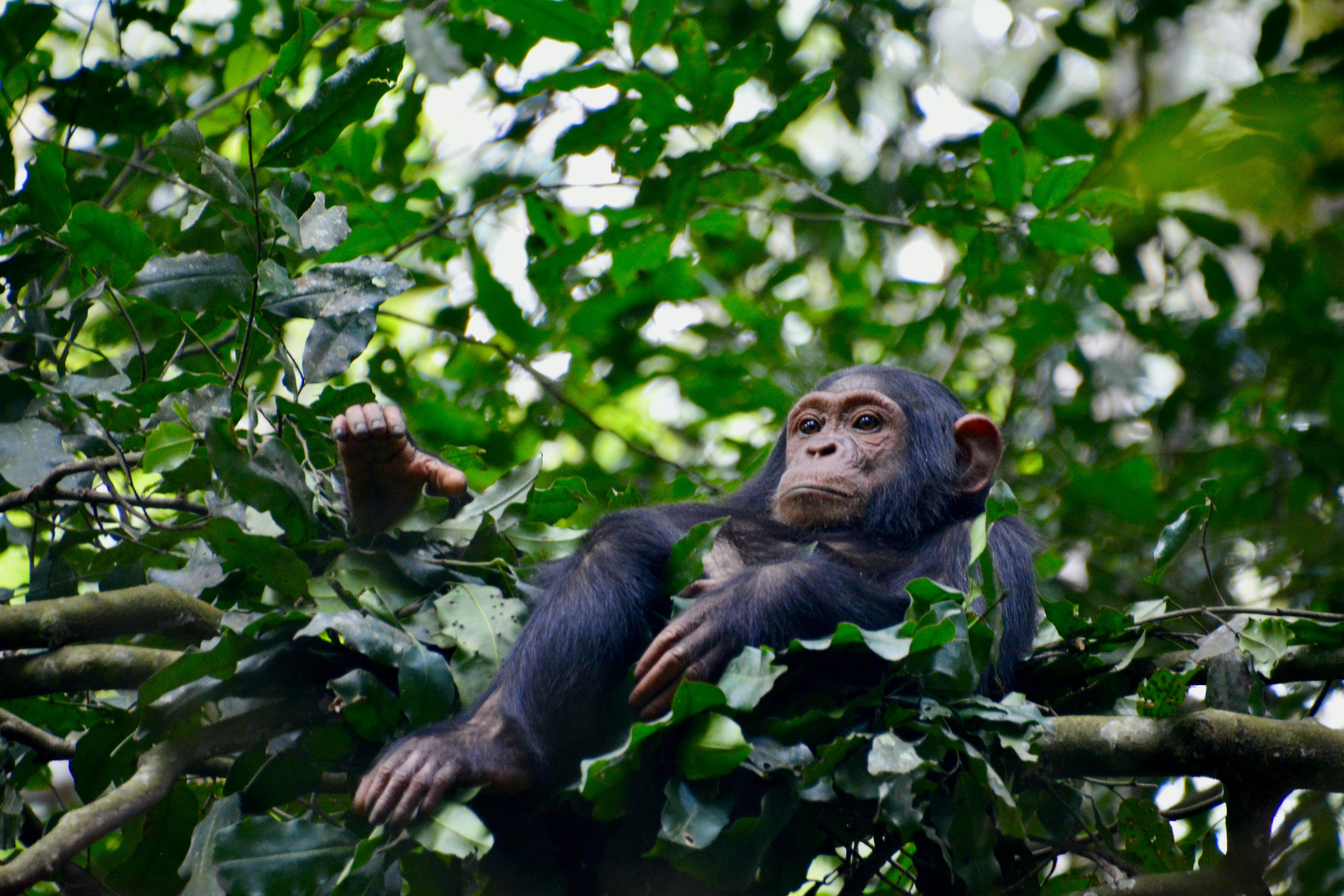
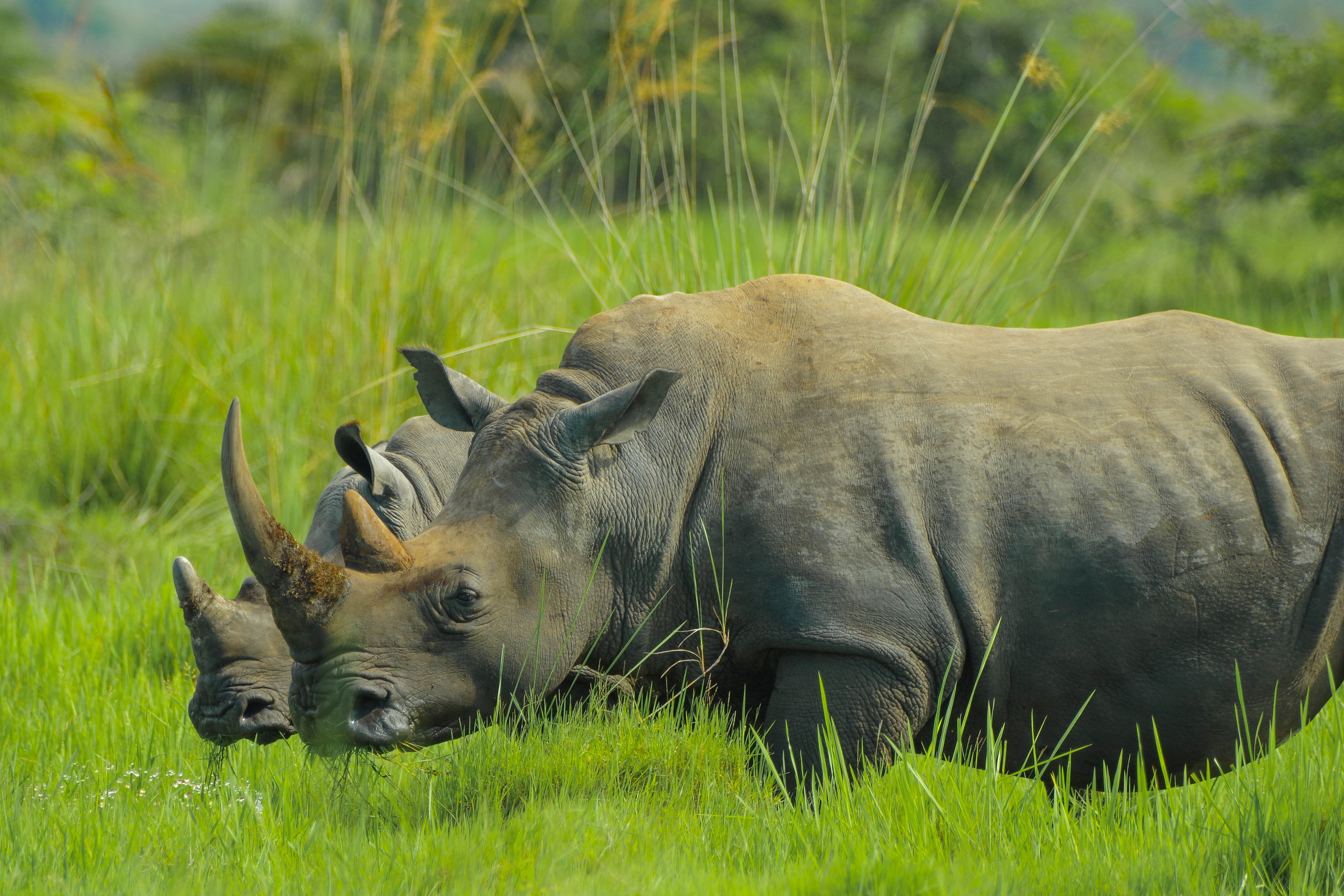
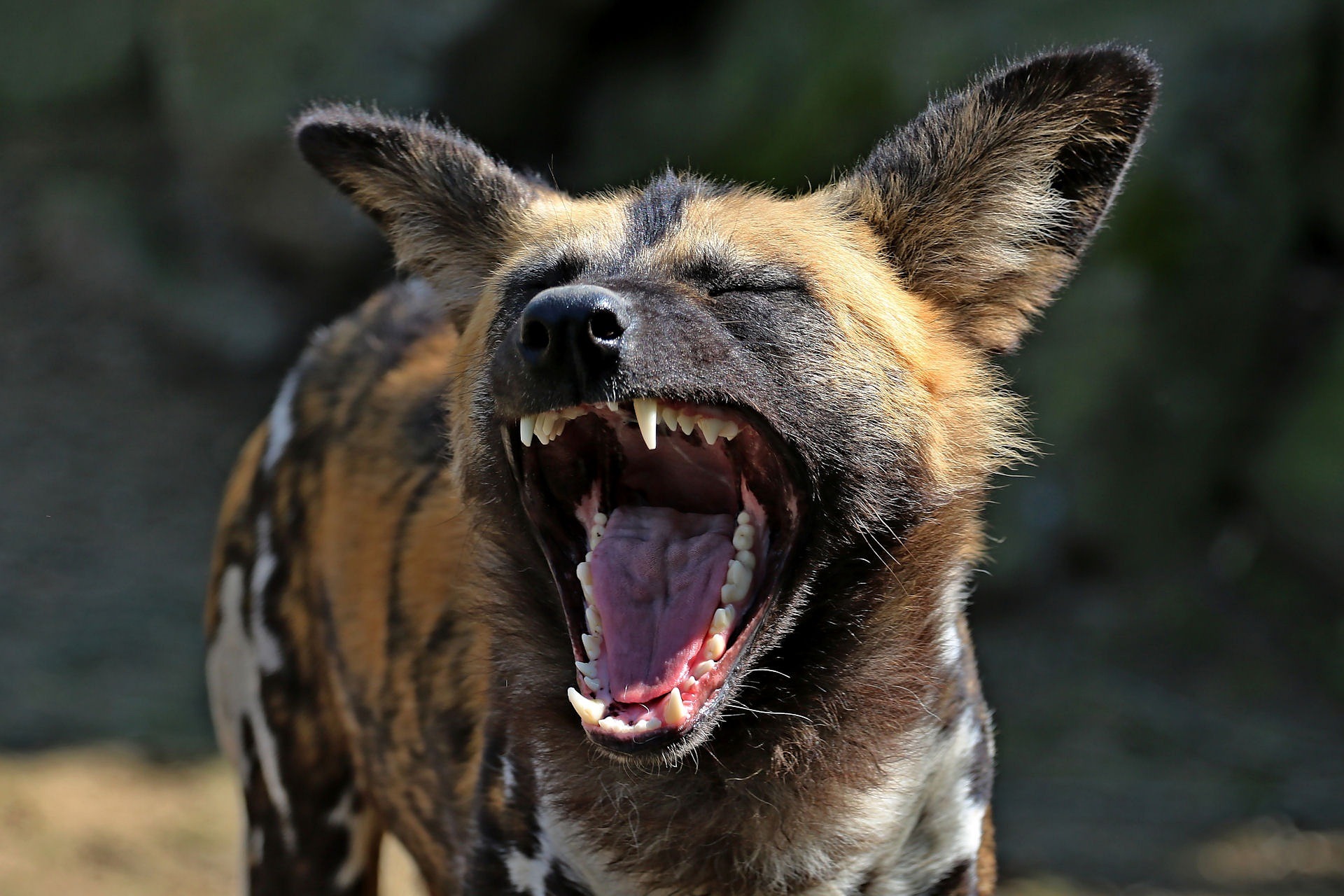
This is a symbolic adoption — you're not bringing a rhino home. You're funding the actual monitoring work for one animal or family group, and you'll get real updates back: GPS maps, field notes, population data.
Leave a gift that
outlasts a
lifetime
A bequest is different from a donation — it's a bet that this work still needs doing after you're gone. Legacy gifts go into our endowment, which is what lets us make commitments that outlast any single grant cycle.
We'll work with you and your advisers directly, at whatever pace makes sense. There's no minimum, no pressure, and no obligation to decide anything on a first call.
"I wanted my life's work to mean something after I'm gone. Leaving a gift to AFWINC was the easiest decision I ever made."
Ways to leave a legacy
Will Bequest
Include AFWINC in your will a fixed sum, a percentage of your estate, or a residual bequest. Simple and flexible.
Charitable Trust
Establish a named charitable trust that funds specific conservation work in perpetuity, bearing your family's name.
Life Insurance
Name AFWINC as beneficiary on a life insurance policy — a powerful gift at little cost during your lifetime.
Endowment
Establish a named endowment fund with AFWINC, generating investment returns that fund your chosen programme forever.